

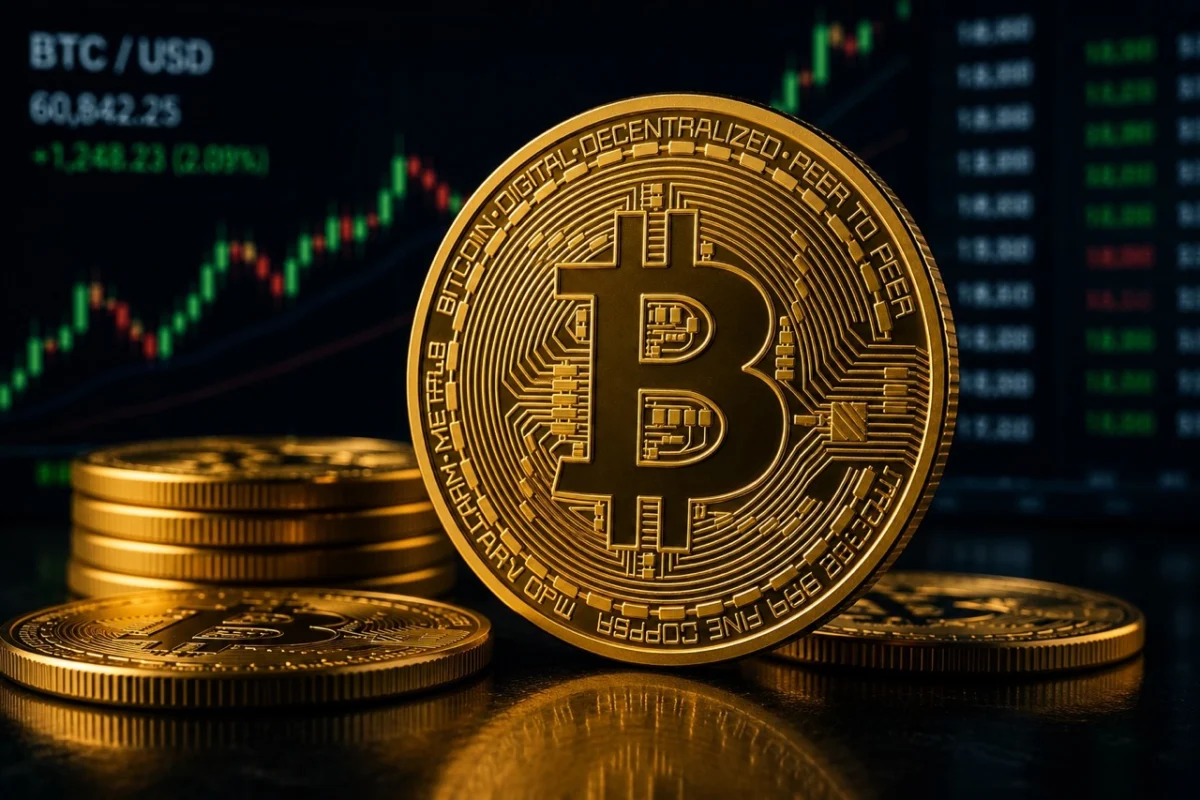
Tesla’s upcoming Q2 earnings report, slated for release on July 22, is once again drawing significant attention to the electric vehicle and clean energy giant’s substantial Bitcoin holdings. Investors and market observers will be keenly focused on whether the company has maintained its publicly disclosed treasury position of 11,509 Bitcoin (BTC) throughout the second quarter of 2026. While Tesla’s Bitcoin balance has remained stable in recent reporting periods, this upcoming disclosure serves as another critical checkpoint for one of the most prominent non-crypto native corporations holding the digital asset on its balance sheet. It is crucial to note that there is currently no validated information indicating any Bitcoin purchases or sales by Tesla during Q2. The prevailing narrative centers on the disclosure window and the company’s confirmation, or potential alteration, of its existing treasury position. This sustained interest underscores Tesla’s unique status as a major public operating company with a material allocation to Bitcoin, distinguishing it from entities whose core business revolves around cryptocurrency.
The Enduring Significance of Tesla’s Bitcoin Balance
The continued scrutiny of Tesla’s Bitcoin holdings stems from the company’s identity as a leading technology and manufacturing powerhouse, rather than a cryptocurrency specialist. When a Bitcoin miner, exchange, or a company with a dedicated digital asset treasury, such as MicroStrategy, holds Bitcoin, the market often anticipates it as a core operational or strategic element. However, when a globally recognized entity like Tesla maintains Bitcoin on its balance sheet, it signals a broader acceptance and validation of the digital asset as a corporate store of value. This fact has kept Tesla’s Bitcoin position in the spotlight for years, even after the initial flurry of its entry into the market.
While Tesla has previously adjusted its Bitcoin holdings, reducing its initial investment, the remaining 11,509 BTC still represents a significant amount. A confirmation of an unchanged position in the upcoming Q2 report would strongly suggest that Tesla continues to view Bitcoin as a reserve asset, akin to gold or other tangible assets, rather than a speculative, short-term venture. For proponents of Bitcoin, this continued commitment from a high-profile corporate entity holds considerable psychological weight.
The narrative of corporate treasury adoption is a cornerstone of Bitcoin’s long-term growth strategy. This adoption is not solely dependent on the success of Bitcoin Exchange-Traded Funds (ETFs) or specialized crypto funds; it also hinges on the willingness of established, operating companies to hold Bitcoin alongside traditional financial instruments such as cash, securities, and other balance-sheet assets. In this context, Tesla serves as a high-profile test case, demonstrating the feasibility and potential strategic advantages of such an allocation for a diversified industrial conglomerate. The implications of Tesla’s continued holding extend beyond its own financial statements, offering a powerful psychological boost to the broader adoption narrative for Bitcoin among institutional investors and corporate treasuries.
Earnings Reports: The Definitive Checkpoints for Corporate Crypto Holdings
Corporate cryptocurrency holdings are not typically updated in real-time, unlike stock prices or currency exchange rates. Investors and analysts must often wait for official quarterly filings, earnings reports, or specific investor updates to ascertain any changes in a company’s digital asset portfolio. This reporting cadence makes earnings season a particularly important period for companies with known cryptocurrency exposure, as it provides the most authoritative confirmation of their positions.
Tesla’s Q2 earnings report, scheduled for July 22, 2026, represents one such crucial checkpoint. If the company reaffirms its holding of 11,509 BTC, the market will likely interpret this as a continuation of its existing strategy rather than a new, significant catalyst. However, any deviation from this figure would undoubtedly provoke a more substantial market reaction.
A sale of Bitcoin could trigger questions regarding Tesla’s internal confidence in the asset as a reserve, or it might signal immediate liquidity needs, potentially driven by operational expenditures or unforeseen financial requirements. Conversely, an increase in its Bitcoin holdings would likely reignite discussions surrounding the growing trend of corporate Bitcoin adoption and the strategic rationale behind such investments. An unchanged balance, while less of a dramatic event, would serve to reinforce the status quo, confirming Tesla’s ongoing commitment to Bitcoin as a component of its treasury management. For now, prudence dictates awaiting the official release of the company’s financial statements before drawing definitive conclusions.
Distinguishing Tesla’s Approach from MicroStrategy’s Bitcoin Strategy
It is imperative to differentiate Tesla’s Bitcoin strategy from that of MicroStrategy. MicroStrategy has, over the years, explicitly built a significant portion of its market identity and investor narrative around the aggressive accumulation of Bitcoin. The company has made Bitcoin its primary treasury reserve asset, and its stock performance is often closely correlated with Bitcoin’s price movements.
In stark contrast, Tesla’s core business remains firmly rooted in the design, manufacturing, and sale of electric vehicles, energy storage solutions, software development, and related advanced technologies. Bitcoin, in Tesla’s case, functions as a treasury position – a strategic allocation of capital within its broader financial framework – rather than the central pillar of its capital strategy or operational focus. This fundamental difference is crucial for understanding the implications of Tesla’s holdings.
Tesla possesses the capacity to hold Bitcoin without undergoing a transformation into a Bitcoin-centric treasury company. Furthermore, it can maintain a stable Bitcoin position without necessarily issuing a major strategic pronouncement with every quarterly report. For Tesla’s investors, the company’s Bitcoin balance is but one element within the multifaceted financial picture presented during earnings season. Factors such as profit margins, vehicle delivery numbers, investments in artificial intelligence (AI) and autonomous driving, energy generation revenue, operating costs, and future guidance are likely to carry more weight in determining the stock’s valuation and investor sentiment.
However, for the broader Bitcoin market, Tesla’s treasury line item continues to hold considerable symbolic importance. A sustained commitment to holding Bitcoin reinforces the narrative that major, non-crypto native corporations can successfully integrate exposure to digital assets into their financial strategies, even when it is not their primary business. This demonstration is invaluable for fostering wider institutional adoption and normalizing the presence of Bitcoin within diversified corporate treasuries.
Key Market Indicators and Analysis of Tesla’s Upcoming Disclosure
As Tesla approaches its Q2 earnings release, the market will be closely monitoring several key indicators. The foremost concern is the confirmation, or alteration, of the 11,509 BTC figure. This number has become a widely recognized benchmark for Tesla’s Bitcoin exposure.
Secondly, investors will scrutinize any accompanying language from Tesla regarding digital assets. This includes commentary on accounting treatments such as impairment charges or fair-value accounting for digital assets, as well as any explicit mentions of its treasury strategy concerning Bitcoin. Even subtle shifts in wording can attract significant attention, given the high profile and extensive discussion surrounding Tesla’s Bitcoin position over the years. For instance, if the company were to adopt language that suggests a more dynamic approach to its Bitcoin holdings, or conversely, emphasizes its long-term nature, it could influence market perceptions.
Thirdly, the prevailing market conditions surrounding Bitcoin at the time of the report’s release will inevitably influence the interpretation of Tesla’s disclosure. If Bitcoin has experienced a period of strong upward momentum leading into the earnings report, an unchanged Tesla balance might be perceived as reinforcing bullish sentiment, suggesting continued confidence in the asset by a major player. Conversely, if Bitcoin has faced a downturn, the same unchanged balance might be viewed as less impactful or even a missed opportunity for rebalancing. Context is paramount in these analyses.
Regardless of the specific outcome, the July 22 earnings report will provide investors with an official, verifiable update point on Tesla’s engagement with Bitcoin. It is crucial to temper expectations and avoid overstating the potential impact of the disclosure prior to its release. The current available materials do not confirm any Bitcoin purchases or sales by Tesla during the second quarter. The fundamental story remains that one of the world’s most visible publicly traded companies is approaching another critical disclosure window with a substantial Bitcoin treasury still a subject of significant market interest. This ongoing focus underscores the evolving role of digital assets within the traditional corporate finance landscape.
Supporting Data and Historical Context
Tesla initially disclosed its purchase of 43,200 Bitcoin in a filing with the U.S. Securities and Exchange Commission (SEC) in February 2021, at an average cost of approximately $31,600 per coin. This move was widely seen as a landmark event, signaling a new level of corporate acceptance for Bitcoin. At the time of the initial purchase, the investment was valued at roughly $1.5 billion.
In the first quarter of 2021, Tesla announced it had sold a portion of its Bitcoin holdings, realizing gains. Later, in the second quarter of 2022, the company reported selling 75% of its Bitcoin holdings, citing concerns about its liquidity position amid the broader market downturn and the economic impact of the COVID-19 pandemic. This sale reportedly generated approximately $936 million in cash. Following this significant divestment, Tesla maintained a remaining balance of 11,509 Bitcoin.
Since that Q2 2022 sale, Tesla’s official disclosures have consistently reported this same 11,509 BTC balance. This period of stability, spanning several quarters, has contributed to the narrative that the company views this remaining Bitcoin as a long-term treasury reserve rather than an asset to be actively traded or divested based on short-term market fluctuations. The stability of this position, despite considerable volatility in the broader cryptocurrency market, speaks to a potential strategic decision by Tesla’s management.
The accounting treatment of Bitcoin by publicly traded companies is also a relevant factor. Under current U.S. GAAP (Generally Accepted Accounting Principles), Bitcoin is considered an intangible asset. Companies must account for any decline in its market value below the carrying cost as an impairment loss, which is recognized immediately on the income statement. However, any appreciation in value above the carrying cost is not recognized until the asset is sold, at which point a gain is realized. This "impairment-only" accounting model can create asymmetrical reporting, where losses are recognized readily, but gains are deferred. This accounting nuance may influence how companies like Tesla choose to report and manage their Bitcoin holdings, potentially reinforcing a strategy of holding for the long term to avoid frequent impairment charges.
Broader Implications for Corporate Adoption and Bitcoin’s Narrative
Tesla’s continued presence as a significant corporate Bitcoin holder, even if not its primary focus, has profound implications for the broader narrative of digital asset adoption. It provides a tangible example that major, well-established companies can incorporate Bitcoin into their financial strategies without compromising their core operations or jeopardizing their financial stability. This "real-world" validation is crucial for building trust and encouraging other corporations to explore similar avenues.
The distinction between Tesla’s approach and that of dedicated Bitcoin accumulators like MicroStrategy is vital. Tesla’s strategy suggests that Bitcoin can be a component of a diversified treasury, offering potential benefits of diversification and a hedge against inflation or currency devaluation, without requiring a complete overhaul of a company’s business model or capital allocation framework. This more nuanced approach makes Bitcoin adoption seem more accessible and less extreme to a wider range of corporate decision-makers.
For Bitcoin proponents, Tesla’s consistent holding serves as a powerful psychological endorsement. It reinforces the idea that Bitcoin is maturing into a legitimate asset class that can be integrated into the financial infrastructure of the global economy. This perception is essential for attracting further institutional capital and for solidifying Bitcoin’s position as a digital store of value.
The upcoming Q2 earnings report, therefore, is more than just a routine financial disclosure; it is another chapter in the ongoing story of how traditional finance and emerging digital assets are converging. Tesla’s actions, or inactions, regarding its Bitcoin treasury will continue to be a closely watched indicator of corporate sentiment and the evolving landscape of treasury management in the 21st century. The market will be observing not just the number, but also the subtle cues that might indicate Tesla’s evolving perspective on its digital asset allocation.
