

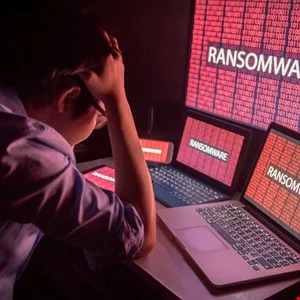
The global landscape of cybersecurity has reached a critical inflection point as new data reveals that government departments and agencies are now falling victim to ransomware attacks at a rate of one every single day. According to a comprehensive analysis conducted by researchers at Comparitech, the first half of 2026 saw a significant escalation in the frequency and severity of these digital assaults, with 187 recorded incidents targeting government organizations between January and June. This figure represents a 13% increase over the 165 attacks documented during the latter half of 2025, signaling a persistent and intensifying threat to public infrastructure and the sensitive data of citizens worldwide.
The research, published on July 16, highlights a sobering reality for public sector IT administrators: with 187 incidents spread across 182 days, the statistical average has officially crossed the threshold of one attack per day. This metric underscores the relentless nature of modern cyber-criminality, where automated scanning tools and sophisticated social engineering tactics are deployed around the clock to find vulnerabilities in state, local, and national government networks. Of the 187 incidents tracked during this six-month period, only 89 were publicly confirmed by the affected organizations, suggesting that a significant portion of these attacks remains shielded from public view, likely due to security sensitivities or the ongoing nature of internal investigations.
The Strategic Appeal of Government Targets
The motivation behind the targeting of government agencies is rooted in a calculated assessment of risk and reward by cyber-criminal syndicates. Government bodies are viewed as high-value targets for two primary reasons: the critical nature of the services they provide and the sheer volume of sensitive personal information they maintain. When a municipal billing system, a national health registry, or a judicial database is encrypted, the resulting paralysis can halt essential societal functions, creating immense political and social pressure on officials to resolve the crisis as quickly as possible.
Rebecca Moody, head of data research at Comparitech, noted that the duration of these disruptions often spans several weeks, during which time systems remain inaccessible. This "denial of service" through encryption serves as the primary leverage for attackers. "From weeks-long disruptions due to system encryption to extensive data breaches, governments are the ideal target for hackers," Moody stated. The calculation for the attacker is simple: the more the public relies on a service, the more likely a government may be to consider paying a ransom to obtain a decryption key, rather than navigating the arduous and time-consuming process of restoring systems from backups—if such backups even exist or remain uncompromised.
Geographical Distribution: The United States as a Primary Target
The geographical data from the first half of 2026 reveals a stark disparity in how ransomware attacks are distributed globally. The United States remains the most frequent target, accounting for 31% of all recorded attacks against government entities. This concentration is attributed to several factors, including the country’s high degree of digitalization, the decentralized nature of its thousands of local government agencies, and a perceived wealth that makes it an attractive target for extortion.
While the U.S. leads the statistics, other Western nations also faced significant pressure. Germany accounted for 7% of the incidents, while Spain and Italy each represented 4% of the total. Analysts suggest that the disparity between the U.S. and its European counterparts is largely a reflection of population size and the sheer number of individual administrative units—such as counties, townships, and school districts—that operate with varying levels of cybersecurity maturity. However, the presence of Germany, Spain, and Italy at the top of the list indicates that no developed nation is immune to the trend of public sector targeting.
Economic Trends and the "Goldilocks" Ransom Demand
One of the more nuanced findings of the Comparitech research involves the financial demands made by ransomware groups. During the first half of 2026, the mean ransom demand issued to government agencies stood at $100,000. This figure is notably lower than the multi-million dollar demands often seen in attacks against private sector corporations or "Big Game" targets.
Cybersecurity analysts believe this $100,000 average represents a strategic "sweet spot" for attackers. By keeping the demand relatively low, hackers increase the probability that a government entity—particularly one funded by taxpayers and subject to strict budgetary oversight—might find a way to pay the ransom through insurance or emergency funds without triggering a massive political scandal or an exhaustive federal investigation. If a demand is too high, it becomes an impossibility for many local governments, forcing them into a total system rebuild regardless of the time required.
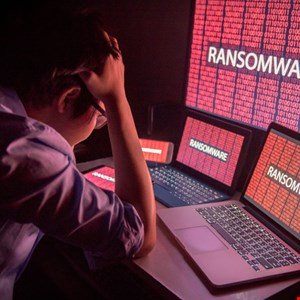
However, the period was not without its outliers. The most prominent exception was a staggering $3.1 million ransom demand issued to the Land and Agricultural Development Bank of South Africa following a debilitating cyber-attack in January 2026. In a show of institutional resilience, the bank refused to negotiate with the unknown assailants. This decision led to a protracted recovery process; the bank’s systems were not fully restored until April, three months after the initial breach. This case serves as a stark reminder of the "recovery tax" that organizations must pay when they choose to rebuild rather than capitulate to extortion.
The Anatomy of the Threat: Prominent Ransomware Groups
The first half of 2026 saw the continued dominance of established ransomware-as-a-service (RaaS) providers, alongside the emergence of newer, highly organized groups. The Comparitech data identified the most active attackers during this period:
- The Gentlemen (10%): A group known for its sophisticated communication style and relatively reliable decryption tools, "The Gentlemen" have carved out a niche by presenting themselves as "security consultants" who have highlighted a flaw in the victim’s network for a fee.
- Qilin (9%): This group has gained notoriety for its "double extortion" tactics, wherein they not only encrypt the victim’s data but also exfiltrate sensitive files, threatening to leak them on a public "shame site" if the ransom is not paid. Their focus on government targets often involves the theft of citizen PII (Personally Identifiable Information).
- LockBit (7%): Despite numerous law enforcement "takedowns" in previous years, LockBit continues to be a persistent threat. Their highly automated affiliate program allows even less-skilled hackers to launch devastating attacks using the LockBit infrastructure.
These groups frequently exploit well-known and publicized vulnerabilities (CVEs) that have gone unpatched in government systems. The use of legacy software and the slow pace of bureaucratic procurement processes often leave government networks vulnerable to exploits that have already been addressed in the private sector.
Chronology of Escalation: H1 2026 Timeline
The timeline of the first half of 2026 illustrates a steady drumbeat of activity that culminated in the "one-a-day" average:
- January 2026: The year began with a high-profile strike against the Land and Agricultural Development Bank of South Africa. This month also saw a cluster of attacks against municipal governments in the American Midwest, targeting property tax collection systems during peak filing season.
- February – March 2026: A wave of attacks hit European healthcare administrative bodies, specifically in Germany and Spain. These attacks focused on the administrative back-ends of regional health services, causing delays in elective surgeries and administrative processing.
- April 2026: LockBit and Qilin increased their activity in the Mediterranean region, with several Italian local councils reporting encrypted archives. This month also saw the first significant "public confirmation" of several January attacks as the 90-day forensic window closed for many victims.
- May – June 2026: The frequency of attacks accelerated as "The Gentlemen" launched a coordinated campaign against educational administrative boards in the United States and Canada, timed to coincide with the end-of-year grading and graduation cycles.
Implications for Public Policy and Defense
The findings of the Comparitech report have profound implications for how governments approach cybersecurity. The shift from sporadic incidents to a daily occurrence suggests that the current "reactive" model of cybersecurity is no longer sufficient.
Rebecca Moody emphasized that a proactive defense strategy is the only viable path forward. This includes:
- Aggressive Patch Management: Vulnerabilities must be patched as soon as they are flagged by vendors or cybersecurity agencies like CISA (Cybersecurity and Infrastructure Security Agency).
- Immutable Backups: Governments must maintain off-site, immutable backups that cannot be reached or deleted by ransomware, ensuring that recovery is always an option without paying a ransom.
- Employee Vigilance: Since many ransomware entries are gained through phishing, continuous and updated training for all government employees is critical.
- Investment in Modern Infrastructure: Moving away from legacy systems that are no longer supported by security updates is a costly but necessary step for long-term resilience.
Furthermore, there is a growing debate among policymakers regarding the legality of ransom payments. Some jurisdictions are considering total bans on the use of public funds for ransoms, arguing that payments only fuel the cyber-criminal ecosystem. Others argue that such bans could lead to the total collapse of essential services in the event of a successful attack.
Conclusion: A Persistent Threat Landscape
As the world moves into the second half of 2026, the data suggests that the trend of targeting government entities is unlikely to abate. The 13% increase in attacks over the previous six months indicates a growing proficiency among cyber-criminal groups and a recognition that the public sector remains a vulnerable and profitable target.
The transition to an average of one attack per day marks a new era in the digital age—one where the security of government systems is not just a technical concern, but a fundamental pillar of national security and public trust. For government agencies, the question is no longer if they will be targeted, but how resilient they will be when the inevitable attempt occurs. The lessons from the first half of 2026 are clear: the cost of inaction is far higher than the cost of defense, and the "daily" nature of the threat requires a permanent, heightened state of readiness.
