

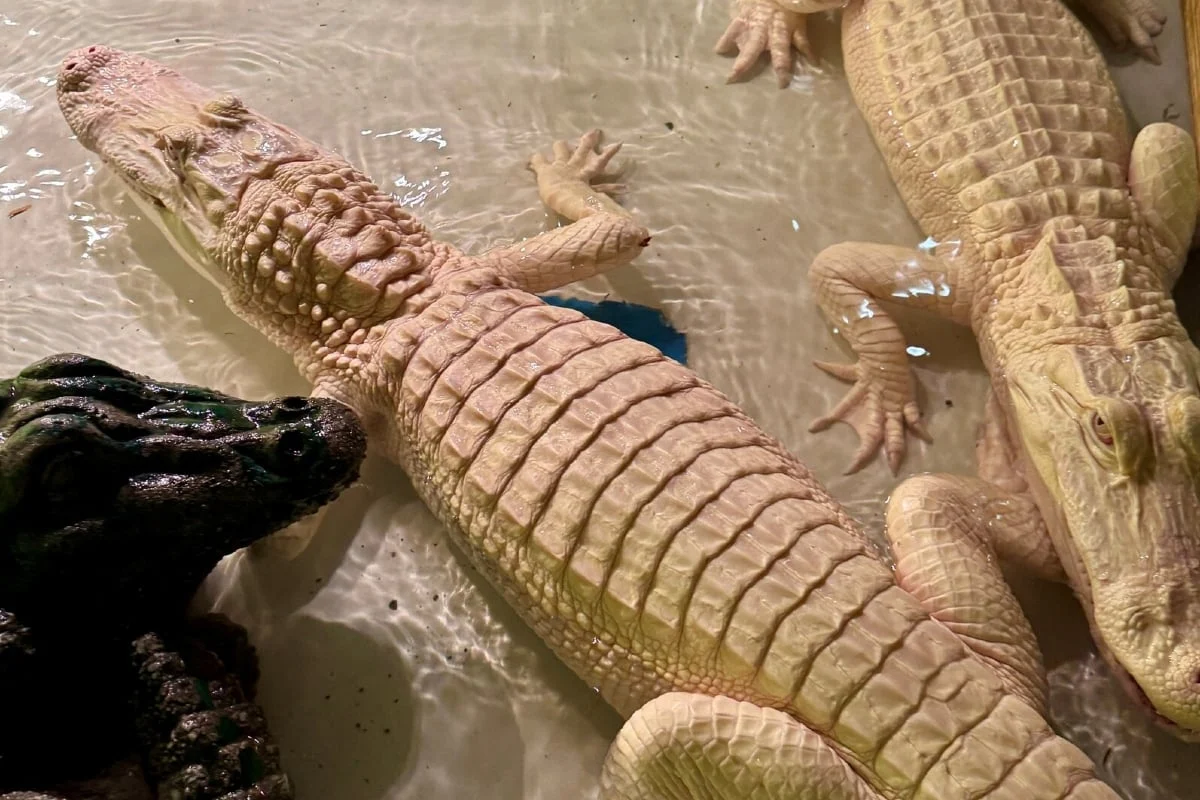
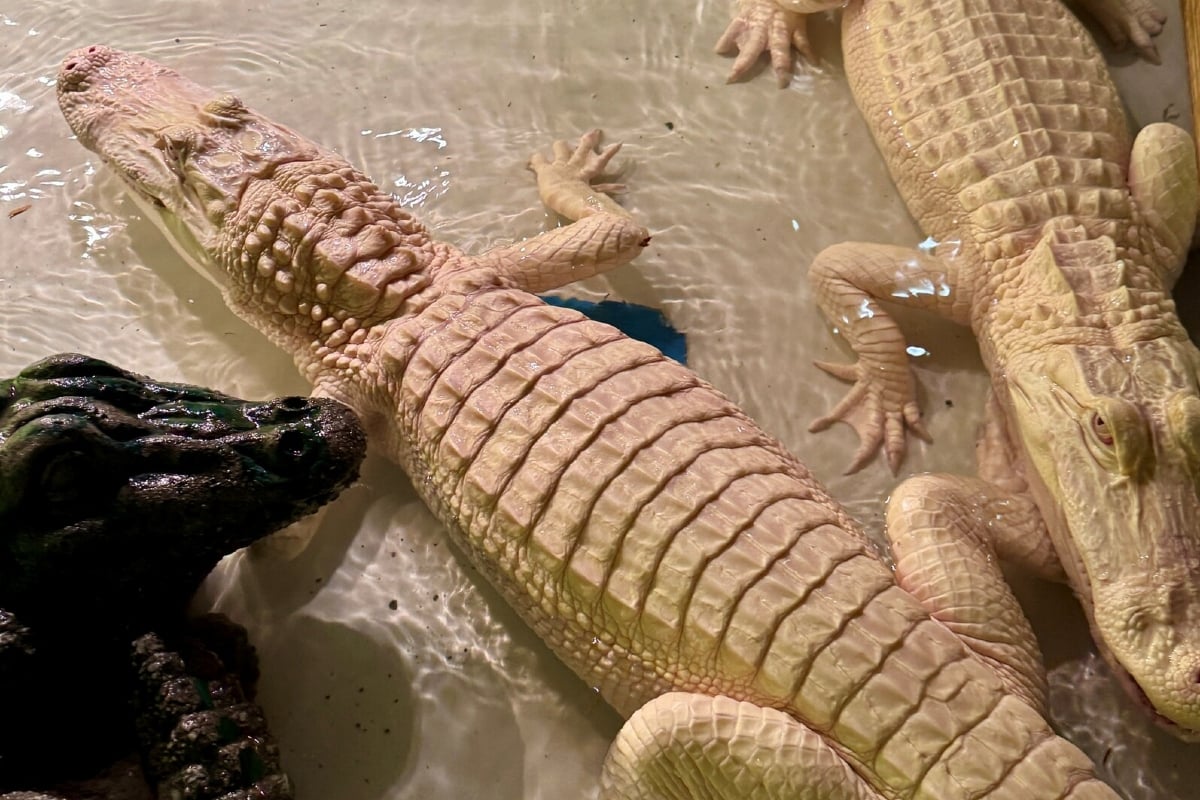
Forget the newest slot machine or the hottest table game; the latest attraction at Louisiana’s Paragon Casino Resort is a pair of exceptionally rare albino alligators, set to become a beacon of cultural heritage and natural wonder. Owned and operated by the Tunica-Biloxi Tribe of Louisiana, Paragon is welcoming two new members to its Bayou Atrium: rare albino alligator sisters. These extraordinary additions to the casino’s long-standing alligator habitat will officially be greeted during a free public event scheduled for Saturday, July 25, at 4 PM CDT, inviting guests and the community to witness a truly special unveiling. This event not only marks the arrival of a unique wildlife exhibit but also underscores the profound cultural significance of alligators, particularly those with rare traits, to the Tunica-Biloxi people.
A Decades-Long Commitment to Unique Attractions
The Paragon Casino Resort, nestled in Marksville, Louisiana, has long distinguished itself as more than just a gaming destination. Since its inception, the resort has integrated elements of local culture and natural heritage into its offerings, creating a holistic experience for visitors. The alligator habitat itself is a testament to this commitment, having first opened at the casino in 2007. This family-friendly exhibit was part of an extensive, multimillion-dollar expansion of the tribal casino, designed to enhance the property’s appeal beyond its gaming floor. The indoor bayou pond, complete with cypress trees and live alligators, has become a cherished feature, offering a glimpse into Louisiana’s iconic swamp ecosystems. For nearly two decades, this habitat has served as an educational and entertaining draw, differentiating Paragon from many other casino resorts.
The resort’s comprehensive amenities further complement its unique attractions. Paragon boasts a sprawling 65,000-square-foot casino floor, housing over 900 slot machines and a dozen live dealer table games. Beyond gaming, it offers three hotel towers with more than 500 rooms and suites, a full-service spa and salon, indoor and outdoor pools, a supervised child care activity center, and a substantial 75,000 square feet of meeting space. An 18-hole golf course rounds out the impressive list of facilities, cementing Paragon’s status as a premier entertainment destination in the region. The integration of such diverse offerings, from luxurious accommodations to cultural exhibits, reflects a strategic vision to cater to a broad audience, including families, convention-goers, and leisure travelers, all while celebrating the rich heritage of the Tunica-Biloxi Tribe.
The Tunica-Biloxi Tribe: Guardians of Heritage and Economic Development
The Tunica-Biloxi Tribe of Louisiana holds a unique place in the state’s history and economy. As a federally recognized tribe, they have leveraged the provisions of the Indian Gaming Regulatory Act (IGRA) of 1988 to establish and operate Paragon Casino Resort. This act empowers Native American tribes to conduct gaming on their lands as a means of promoting tribal economic development, self-sufficiency, and strong tribal governments. For the Tunica-Biloxi, Paragon Casino Resort is far more than a commercial venture; it is the primary economic engine that supports vital tribal services, including healthcare, education, housing, and infrastructure improvements for their community.
Before the advent of tribal gaming, many Native American communities faced significant economic challenges, often struggling with high unemployment rates and limited resources. The success of enterprises like Paragon has dramatically transformed the economic landscape for the Tunica-Biloxi Tribe, providing stable employment opportunities for both tribal members and the surrounding local population in Avoyelles Parish. This economic self-determination allows the tribe to invest in cultural preservation programs, language revitalization efforts, and educational initiatives that ensure the continuity of their traditions for future generations. The decision to incorporate elements like the alligator habitat and now, specifically, the albino alligators, into the resort’s fabric is a deliberate choice that intertwines economic prosperity with the safeguarding and sharing of their profound cultural narrative.
The Rarity and Biology of Albino Alligators
Albino alligators are exceptionally rare, making the arrival of two such creatures at Paragon a significant event both for the resort and for wildlife enthusiasts. Florida Gulf Coast University estimates that there are only about 100 to 200 albino alligators in the entire world, with the vast majority living in captivity. This extreme rarity is primarily due to the severe challenges these animals face in their natural habitat.
Albinism is a genetic condition characterized by the complete or partial absence of pigment in the skin, hair, and eyes. In alligators, this results in a striking white or pale yellow skin tone and often pink or reddish eyes due to the blood vessels showing through the unpigmented irises. Biologically, albinism is an autosomal recessive trait, meaning that an individual must inherit a recessive gene from both parents to express the condition. If only one parent contributes the recessive gene, the offspring will be a carrier but will not exhibit albinism. This specific genetic requirement contributes significantly to their rarity in the wild.
The lack of pigmentation, while visually stunning, presents numerous survival disadvantages. Albino alligators entirely lack the natural camouflage that their typically dark-skinned counterparts rely on to blend into the murky waters and dense vegetation of their bayou environments. This makes them highly susceptible to predators when they are young, including wading birds, fish, large snakes, and even adult alligators, which might view them as easy prey. Furthermore, albino alligators suffer from severe sun sensitivity. Their unpigmented skin offers no protection from harmful ultraviolet (UV) radiation, making them prone to severe sunburns and skin damage, which can lead to infections and other health complications. Compounding these issues is their often-impaired eyesight, a common trait associated with albinism. This poor vision significantly hampers their ability to hunt for food effectively and navigate their surroundings, drastically reducing their chances of reaching adulthood and reproducing in the wild. Consequently, virtually all known albino alligators thrive only in controlled, protected environments like zoos, aquariums, and specialized habitats, where their unique needs can be met without the constant threats of nature.
The Alligator’s Deep Cultural Resonance with the Tunica-Biloxi Tribe
The presence of alligators, and especially albino alligators, at Paragon Casino Resort is deeply rooted in the Tunica-Biloxi Tribe’s rich cultural and spiritual traditions. For the Tunica-Biloxi, the alligator is far more than a formidable reptile; it is a sacred creature interwoven into their very origin story. The tribe’s emergence narrative tells the tale of the blue and red alligator, powerful beings who served as protectors of the Tunica people’s origins, guiding and safeguarding them through ancient times. This foundational myth imbues the alligator with profound symbolism, representing strength, resilience, and guardianship.
Beyond the Tunica-Biloxi, the reverence for albino animals extends across many Native American communities in the South and beyond. Because of their extreme rarity and striking appearance, Native peoples regard albino gators and other albino animals as “extraordinary beings.” They are often associated with spirituality, renewal, and profound messages from the spirit world. Such animals are seen as symbols of purity, unique blessings, and powerful omens. Their existence is interpreted as a reminder of the delicate balance of nature and the sacredness of all life.
Marshall Ray Sampson Sr., general manager of Paragon Casino Resort, eloquently articulated this sentiment in a release to Casino.org, stating, “Welcoming these rare alligators to Paragon is about more than adding a unique attraction to our Bayou Atrium. This ceremony gives us an opportunity to celebrate the alligator’s cultural significance to the Tunica-Biloxi Tribe while inviting our guests and community to experience something truly special.” He further elaborated on the broader implications: “While traditions vary among tribes, white alligators are recognized in Southeastern Native traditions as reminders that every living thing has a purpose and that nature deserves care and stewardship.” This statement highlights the dual purpose of the exhibit: to offer a unique visitor experience and to serve as a living testament to the tribe’s enduring values of respect for nature and the interconnectedness of all beings. The exhibit thus becomes a powerful educational tool, allowing the tribe to share its heritage and foster a deeper appreciation for both wildlife and indigenous cultures among a wider audience.
The Public Unveiling: A Celebration of Culture and Nature
The upcoming public event on Saturday, July 25, at 4 PM CDT, promises to be a memorable occasion, blending celebration with education. As a free event, it is designed to be accessible to everyone, inviting not only casino guests but also local residents and visitors from across the state to partake in this unique cultural experience. While specific details of the ceremony have yet to be fully released, it can be logically inferred that the event will likely feature presentations by Tunica-Biloxi tribal elders, offering insights into the alligator’s place in their oral traditions and belief systems. There may also be cultural performances, such as traditional dances or music, further enriching the atmosphere.
Educational talks by wildlife experts or resort staff are also highly probable, providing attendees with fascinating facts about albino alligators, their biology, and the critical importance of conservation. Photo opportunities with the new residents, albeit from a safe distance, are expected to be a major draw, allowing visitors to capture the striking beauty of these rare creatures. Local dignitaries and community leaders are also likely to be in attendance, underscoring the event’s significance to the region. The event is more than just an unveiling; it is a carefully orchestrated celebration designed to foster a sense of community, promote cultural understanding, and highlight the resort’s commitment to both entertainment and stewardship. It serves as a powerful reminder that even within the dynamic world of tribal gaming, there exists a profound dedication to preserving and sharing indigenous heritage.
Broader Impact: Conservation, Education, and Tourism
The arrival of the albino alligators at Paragon Casino Resort extends its impact far beyond the immediate novelty of a new attraction. It significantly contributes to broader efforts in wildlife conservation and public education. Alligators in Louisiana have a remarkable conservation success story. Once on the brink of extinction due to overhunting and habitat loss, they have made a dramatic recovery thanks to conservation efforts and regulated farming, leading to their removal from the endangered species list. The Bayou Atrium at Paragon, now home to these rare albino specimens, serves as an invaluable platform for educating the public about the importance of these apex predators in the state’s ecosystem.
Exhibits like this play a crucial role in raising awareness about unique genetic conditions in animals and the challenges they face. By observing these extraordinary creatures up close, visitors, especially younger generations, can develop a deeper understanding of biodiversity, genetic mutations, and the need for wildlife protection. The controlled environment of the Bayou Atrium ensures the albino alligators’ safety and well-being, providing them with a habitat where they can thrive without the threats they would face in the wild. This aligns with the mission of many zoos and wildlife parks worldwide, which serve as crucial centers for captive breeding programs, research, and public outreach for endangered or rare species.
From an economic and marketing perspective, the albino alligators are poised to significantly enhance Paragon’s brand image and appeal. In the competitive landscape of casino resorts, unique, non-gaming attractions are increasingly vital for drawing diverse visitors. The albino alligators position Paragon as a distinctive destination that offers more than just traditional entertainment. This can attract new demographics, particularly families and nature enthusiasts, who might not typically frequent a casino. The enhanced publicity generated by such a rare exhibit will undoubtedly lead to increased visitation to Marksville and the surrounding Avoyelles Parish, boosting local tourism and supporting other businesses in the area. This diversification of revenue streams and attraction points solidifies Paragon’s role as a regional economic anchor, demonstrating how tribal enterprises can innovate to create multifaceted destinations that benefit both their communities and the wider public.
Future Implications and Continued Stewardship
The integration of these rare albino alligators into Paragon Casino Resort’s Bayou Atrium marks a significant milestone, reinforcing the institution’s commitment to cultural preservation, wildlife education, and community engagement. This initiative is likely to pave the way for future collaborations and expanded educational programming. The resort could potentially partner with Louisiana universities, wildlife organizations, or local schools to develop curriculum materials, host field trips, or even support research into albino alligators and their specific care requirements. Such outreach programs would further solidify Paragon’s reputation as a responsible steward of both cultural heritage and natural resources.
The long-term presence of the albino alligators underscores the Tunica-Biloxi Tribe’s ongoing dedication to preserving their ancestral stories and values. By bringing these "extraordinary beings" into a public setting, the tribe is not only offering a unique visual spectacle but also actively sharing a piece of their spiritual and cultural identity. This act of stewardship, combining modern entertainment with deep-rooted traditions, exemplifies a progressive approach to tribal governance and economic development. The Bayou Atrium, with its new rare residents, is set to continue as a vibrant, living classroom, ensuring that the legacy of the alligator, both common and exceptionally rare, and its profound connection to the Tunica-Biloxi people, remains a central and celebrated aspect of the Paragon Casino Resort experience for years to come.
