

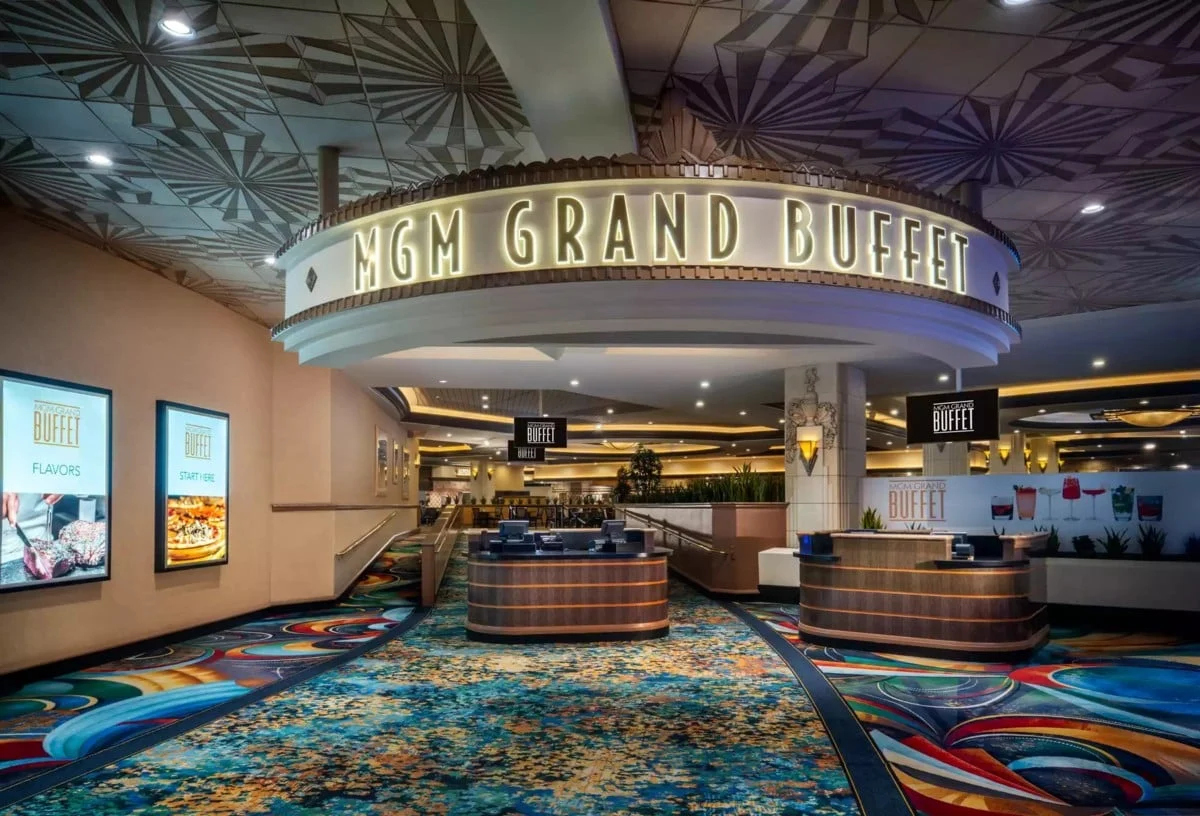
Las Vegas, NV – MGM Resorts International announced on Friday, April 18, 2026, that the iconic MGM Grand Buffet, a cornerstone of the Las Vegas casino resort since its grand opening in 1993, will serve its last meal on May 31. This closure marks another significant milestone in the ongoing transformation of the Las Vegas Strip’s dining paradigm, as traditional buffets, once synonymous with the city’s allure, continue to recede from prominence. The decision underscores a long-term strategic pivot within the hospitality industry, moving away from loss-leading culinary offerings towards more profitable and diversified guest experiences.
A Legacy Spanning Three Decades: The MGM Grand Buffet’s Journey
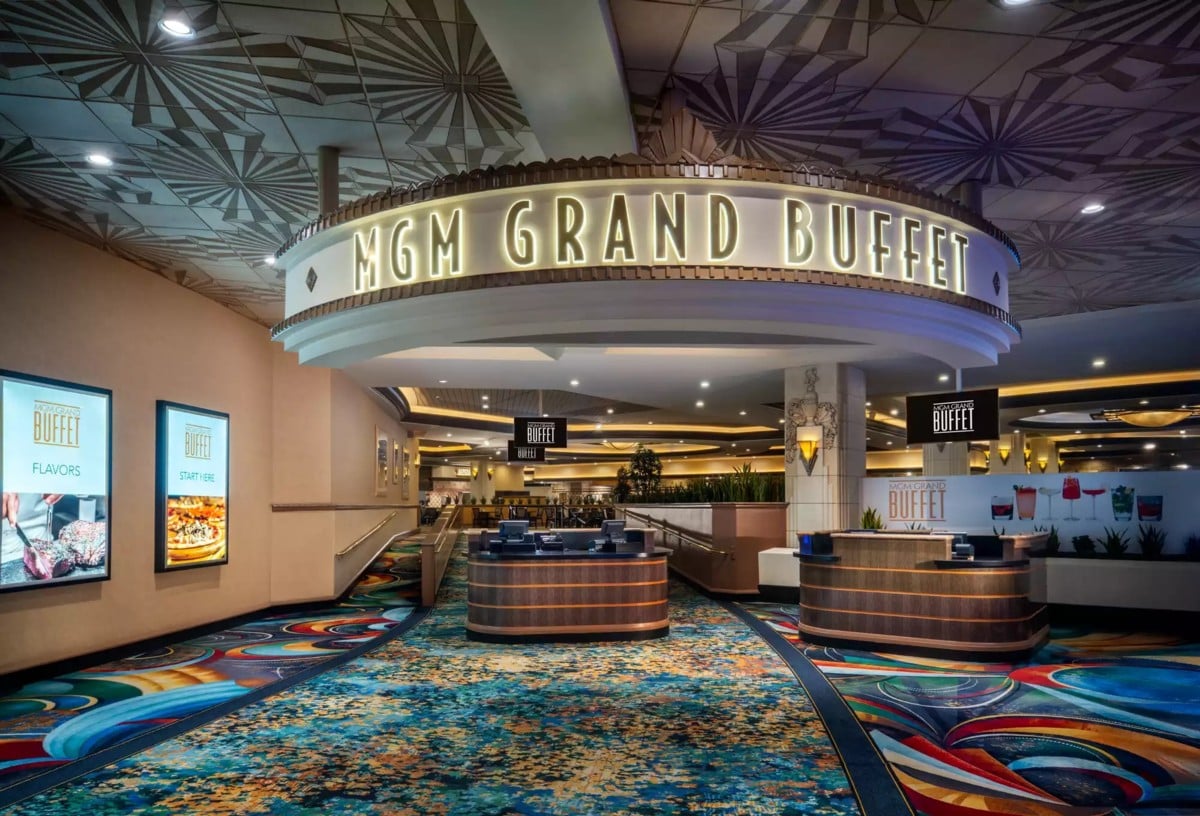
The MGM Grand Buffet, occupying an expansive approximately 15,000 square feet within the sprawling resort, opened its doors simultaneously with the new MGM Grand in December 1993. At the time, it represented the pinnacle of the classic Las Vegas buffet experience: an opulent, all-you-can-eat extravaganza designed to satiate the appetites of millions of visitors drawn to the city’s unique blend of gaming and entertainment. Its launch coincided with a period of significant growth and rebranding for Las Vegas, as resorts expanded their offerings beyond just gambling to include world-class shows, shopping, and diverse dining options. For decades, the MGM Grand Buffet was a vibrant hub, serving countless guests daily with a vast array of international cuisines, carving stations, and decadent dessert spreads, embodying the larger-than-life ethos of its host resort. The original MGM Grand, for historical context, later became Bally’s and is today known as Horseshoe Las Vegas.
The Economic Underpinnings: Buffets as "Loss Leaders"
The closure of the MGM Grand Buffet is not an isolated incident but rather a symptom of a fundamental shift in the economic model of Las Vegas. For much of its history, especially up until the 1980s, the Las Vegas casino industry operated on a principle where gaming revenue constituted the vast majority – often around 75% – of an average Strip casino’s income. Non-gaming amenities, including food and beverage, entertainment, and lodging, accounted for the remaining 25%. In this environment, buffets, along with inexpensive drinks and subsidized rooms, functioned as crucial "loss leaders."
A loss leader is an item priced below its market cost to stimulate sales of other, more profitable goods or services. In the context of early Las Vegas, casinos intentionally incurred losses on food and alcohol with the explicit goal of attracting and retaining gamblers on their premises. The logic was simple: by offering incredibly affordable and abundant dining options, casinos minimized the chances of guests leaving to eat elsewhere, thus maximizing their time (and money) spent at the gaming tables and slot machines. This strategy was highly effective, fostering a culture of generosity and value that became a hallmark of the Las Vegas experience. At its peak, around the turn of the millennium, approximately 35 Strip casinos boasted their own buffets, each vying for the attention of budget-conscious and value-seeking tourists.
The Great Reversal: From Gaming Dominance to Non-Gaming Revenue
The economic landscape of Las Vegas began a dramatic transformation in the late 20th century, a shift profoundly influenced by visionary developers like Steve Wynn. Wynn’s opening of The Mirage in 1989 is often cited as a pivotal moment, ushering in an era where luxury, high-end dining, and elaborate entertainment became central to the Las Vegas appeal. This marked the beginning of the Strip’s evolution into a premier global destination for tourism, conventions, and upscale experiences, rather than solely a gambling mecca.
By the early 2000s, the revenue model had significantly flipped. What was once a 75% gaming / 25% non-gaming split began to invert. Today, a striking reversal persists: casinos on the Las Vegas Strip generate approximately 75% of their revenue from non-gaming sources, including fine dining, elaborate shows, retail, nightclubs, and hotel stays, with only about 25% derived directly from gambling. This paradigm shift rendered the "loss leader" buffet strategy increasingly unsustainable and economically illogical. When non-gaming amenities themselves became the primary profit drivers, maintaining operations that deliberately lost money, even if they drew crowds, became counterproductive.
Escalating Costs and the Pandemic as an Accelerator
Beyond the fundamental shift in revenue streams, the operational costs associated with running a large-scale buffet surged dramatically over the past two decades. These costs encompass not only the sheer volume and variety of food required to feed thousands of guests daily but also the significant labor investment. This includes an extensive workforce dedicated to procurement, delivery, storage, preparation, cooking, serving, and continuous replenishment, alongside extensive cleaning and maintenance. The complexities of managing perishable goods on such a massive scale, coupled with rising wages and utility costs, squeezed profit margins to unsustainable levels.
Reports from industry insiders, such as Vital Vegas, highlighted the financial drain even before the global health crisis. For instance, Caesars Entertainment was reportedly losing an estimated $3 million annually across its casino buffets prior to 2020. The COVID-19 pandemic, with its unprecedented restrictions on large gatherings, heightened hygiene protocols, and disruptions to supply chains, served as a convenient, albeit painful, catalyst for many casino operators to permanently re-evaluate and ultimately shutter their buffet operations. What was already an economically challenged model became virtually unfeasible overnight, providing a clear justification for ending a practice that no longer made economic sense in the new Vegas.
The Rise of Alternatives: Food Halls and Maximizing Asset Utilization
With the decline of traditional buffets, casino companies saw an opportunity to transform these vast, strategically located spaces into more profitable ventures. One popular alternative has been the conversion of buffet areas into "food halls." These are essentially high-end food courts, featuring a curated selection of diverse culinary concepts, often operated by renowned chefs or popular restaurant groups. These groups are typically willing to pay premium rents for prime locations on the Strip, offering casino operators a steady, predictable revenue stream without the operational complexities and financial risks of running a buffet. Food halls cater to the modern tourist’s preference for variety, quality, and flexible dining options, aligning perfectly with the Strip’s upscale trajectory.
Another common conversion strategy involves repurposing buffet real estate for additional gaming space, particularly slot machines. Given the high profitability per square foot of gaming floors, especially for slots, converting a large, underperforming buffet into a new gaming area can yield millions in additional annual revenue, a stark contrast to the millions lost on buffets. This strategic optimization of valuable floor space is a clear indication of how casino operators are continually seeking to maximize asset utilization and shareholder value.

The Shrinking Landscape: A New Era for Strip Dining
The departure of the MGM Grand Buffet further thins the ranks of what was once an ubiquitous dining option on the Strip. Once it closes its doors on May 31, only seven major buffets will remain operational across the entire Las Vegas Strip, a dramatic reduction from the approximately 35 that existed around the year 2000. These remaining bastions of the all-you-can-eat experience include:
- The Buffet at Bellagio
- Bacchanal Buffet at Caesars Palace
- Circus Buffet at Circus Circus
- The Wicked Spoon at Cosmopolitan
- The Buffet at Excalibur
- Signature Seafood Buffet, Resorts World
- Wynn Buffet
Each of these remaining buffets has likely adapted its model, catering to specific market segments, offering unique culinary experiences, or benefiting from particular operational efficiencies that allow them to continue thriving where others have faltered. For instance, the Bacchanal Buffet at Caesars Palace underwent a $2.4 million renovation in 2021, emphasizing premium ingredients and a more refined presentation to justify its higher price point. The Circus Buffet at Circus Circus, conversely, often caters to families and budget-conscious travelers. The Wynn Buffet is known for its luxurious ambiance and high-quality offerings. Their continued existence speaks to a niche demand or a successful re-evaluation of their operational strategy.
Looking Ahead: Implications for Las Vegas Tourism and Dining
MGM Resorts International has stated that there are currently no specific plans for the approximate 15,000 square feet of space that the MGM Grand Buffet currently occupies. However, industry analysts widely anticipate that the area will be redeveloped to align with the company’s broader strategic goals for maximizing profitability and enhancing the overall guest experience. Potential uses could range from a new high-end restaurant concept, a multi-vendor food hall, or an expansion of gaming space, each offering a more lucrative return on investment than the traditional buffet model.
The closure of the MGM Grand Buffet is more than just the end of a dining option; it symbolizes the final chapters of a bygone era in Las Vegas. It reflects a sophisticated evolution of the city’s tourism strategy, moving decisively towards premiumization and diversified revenue streams. While some visitors may lament the loss of the traditional, value-driven buffet, the broader trend indicates a market preference for curated, specialized, and often higher-priced culinary experiences. This shift caters to a new demographic of Las Vegas visitors who prioritize quality, unique offerings, and Instagrammable moments over sheer volume.
For MGM Resorts International, this move aligns with a broader corporate strategy focused on asset optimization and delivering exceptional, profitable guest experiences across its portfolio. The company has been at the forefront of transforming its properties to meet evolving consumer demands, investing in luxury accommodations, celebrity chef restaurants, and immersive entertainment. The decision to close the MGM Grand Buffet, therefore, is not merely a cost-cutting measure but a strategic realignment, reinforcing Las Vegas’s identity as a world-class destination where every amenity is designed to contribute meaningfully to both the guest experience and the bottom line. The remaining buffets on the Strip will likely continue to adapt, but the era of the all-you-can-eat buffet as a loss-leading staple of every major resort is undeniably coming to a close.
